Suivi GPS des dispositifs médicaux
Avantages
Aider les établissements de santé à garder le contrôle sur les dispositifs utilisés en dehors de l’hôpital
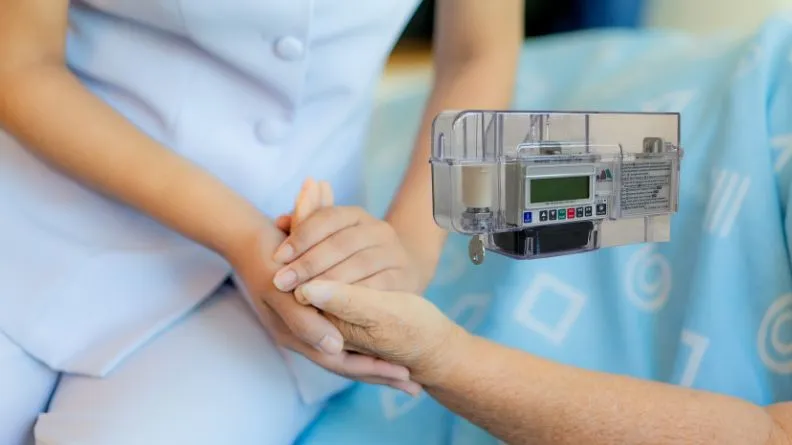
Beaucoup d’hôpitaux et de structures de santé peinent à suivre les dispositifs médicaux qui passent de l’hôpital aux services de proximité, puis au domicile des patients. Les équipements portables de forte valeur - comme les pousse-seringues BodyGuard™ (anciennement T34) ou les pompes de traitement des plaies - sont indispensables aux soins palliatifs et à la prise en charge à domicile. Pourtant, ils sont régulièrement égarés ou ne reviennent pas après la sortie du patient. Résultat : des coûts de remplacement évitables chaque année.
RFiD Discovery propose une solution de géolocalisation GPS conçue pour suivre ces dispositifs sur le terrain. En offrant une visibilité en temps réel sur les équipements, elle aide les équipes à mieux utiliser le parc, à réduire les pertes et à garantir que les dispositifs critiques restent disponibles pour les patients qui en ont le plus besoin.
Pourquoi le suivi GPS des dispositifs médicaux en dehors de l’hôpital est-il essentiel ?
Les équipements utilisés hors site ne peuvent pas être localisés avec fiabilité via les solutions classiques d'asset tracking, comme les étiquettes RFID passives ou actives. Il devient alors difficile pour les équipes de savoir où se trouvent les dispositifs. Ce manque de visibilité a un impact direct sur la sécurité des patients, l’efficacité clinique et les ressources financières.
Un suivi GPS précis permet de combler cet écart en indiquant où se trouvent des équipements tels que les pousse-seringues BodyGuard™, qu’ils soient chez un patient, en déplacement avec un professionel de santé, ou en attente de retour à l’hôpital.
Avec des données de localisation fiables, les équipes de génie biomédical peuvent rapidement identifier les dispositifs en retard de retour, en retard de maintenance, ou disponibles pour une remise en service. Cela réduit les délais opérationnels et limite le recours à des achats de remplacement coûteux.
Comment fonctionne le suivi GPS des dispositifs médicaux ?
Étiquettes GPS intelligentes pour les pousse-seringues BodyGuard™ et bien plus encore
Chaque dispositif - comme un pousse-seringue BodyGuard™ ou une pompe de traitement des plaies - est équipé d’une étiquette GPS compacte et robuste. Ces étiquettes intègrent une carte SIM pour la transmission des données et sont conçues pour répondre aux exigences des environnements de santé.
Chaque étiquette offre :
- Une conception étanche et résistante aux chocs (indice de protection IP68)
- Des piles AAA faciles à remplacer, avec une autonomie pouvant aller jusqu’à 10 ans
- Des fonctions d’économie d’énergie, comme un mode veille lorsque le dispositif est immobile
Coffret sécurisé pour la protection des médicaments contrôlés
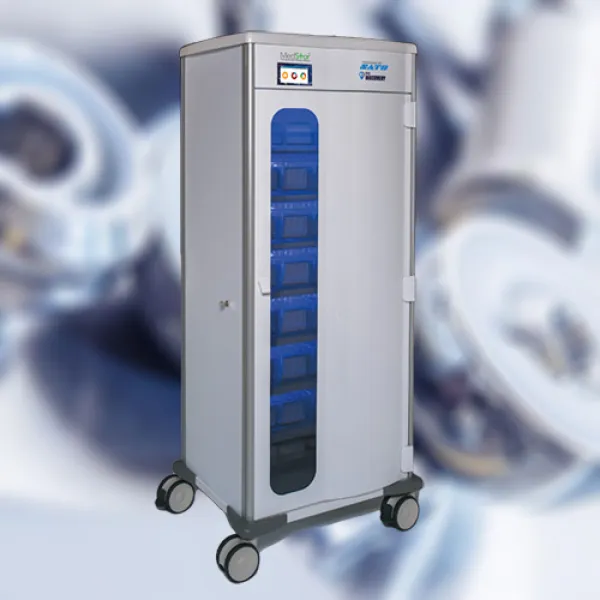
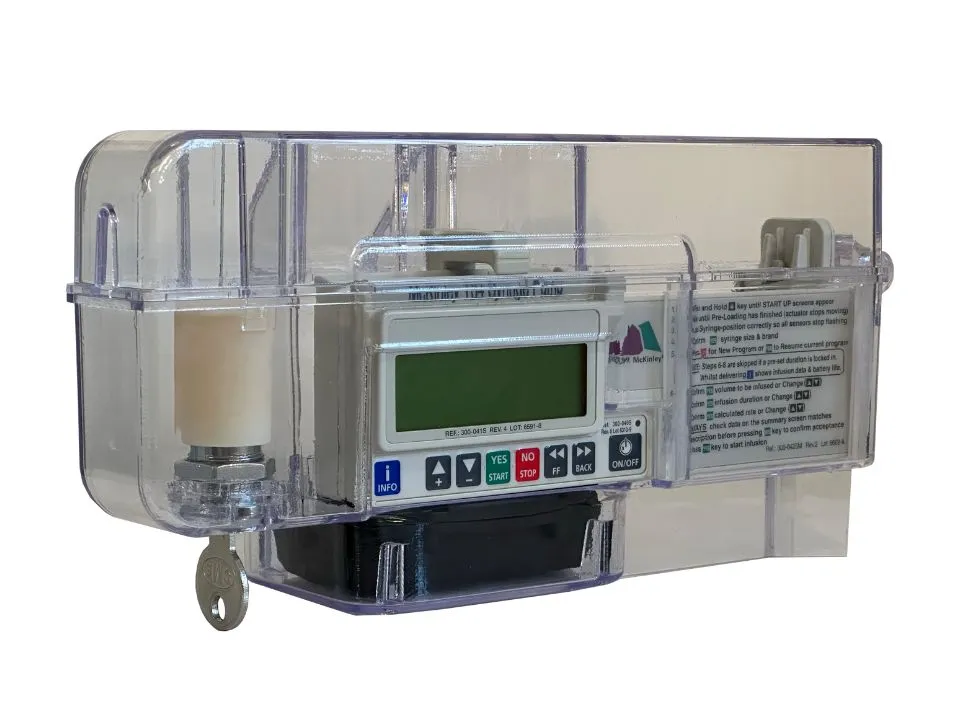
Pour sécuriser le dispositif et le traitement qu’il contient, l’étiquette GPS est intégrée à un coffret sur mesure, robuste et facile à nettoyer, conçu spécifiquement pour un usage clinique. Il permet de :
- Protéger le pousse-seringue et les médicaments contrôlés à l’intérieur
- Changer la batterie du pousse-seringue sans retirer le coffret
- Accéder facilement au clavier et à la ligne de perfusion
- S’intégrer au système de verrouillage existant (serrure et clé), afin de garantir un accès réservé au personnel autorisé
Suivi en temps réel via la plateforme RFiD Discovery
Les données de localisation sont transmises de manière sécurisée via le réseau cellulaire vers une base de données centrale RFiD Discovery. Les équipes biomédicales et le personnel soignant peuvent ainsi visualiser la localisation des équipements en temps réel.
Le système propose une interface intuitive, avec :
- Une liste complète de tous les dispositifs, avec fonction de recherche
- Une carte en direct indiquant les positions actuelles et l’historique des déplacements
- Des zones géographiques personnalisables (géorepérage) pour définir les périmètres autorisés
- Des alertes par SMS, e-mail ou via le tableau de bord lorsqu’un dispositif quitte une zone définie
- Des outils de reporting pour les audits, les plannings de maintenance et le suivi de la conformité

Solutions de suivi intégrées
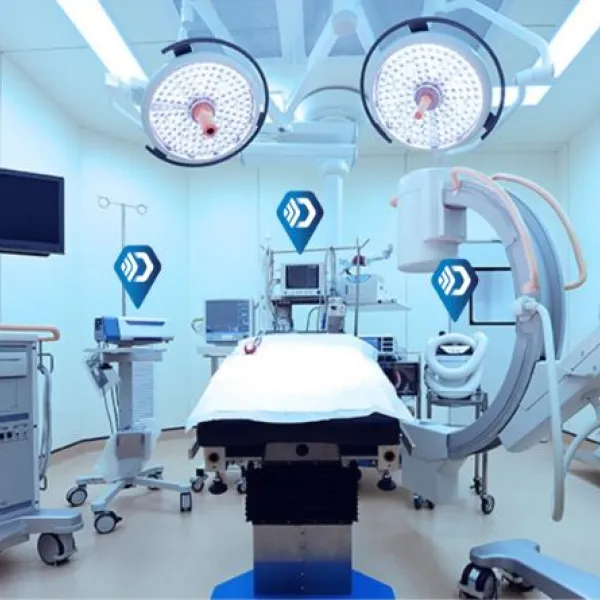
Cette solution GPS s’intègre à nos autres systèmes de traçabilité - basés sur la RFID passive ou sur des technologies de suivi actif - pour couvrir l’ensemble de vos besoins : localisation des dispositifs médicaux à l’hôpital, suivi des équipements de stérilisation, temperature monitoring, protection du personnel et gestion des flux de patients.
Résultat : vous regroupez toutes vos données de localisation sur une plateforme unique, pour piloter vos actifs plus facilement et gagner en efficacité au quotidien.
Foire aux questions (FAQ)
Quels dispositifs peuvent être suivis par GPS en dehors de l’hôpital ?
De nombreux dispositifs médicaux utilisés en soins de proximité peuvent être suivis par GPS, notamment les pousse-seringues BodyGuard™, les pompes de traitement des plaies, les dispositifs de perfusion, ainsi que d’autres équipements médicaux mobiles utilisés au domicile des patients ou en mobilité.
Comment le suivi GPS contribue-t-il à la maintenance et à la conformité des dispositifs médicaux ?
Le suivi GPS permet aux équipes biomédicales de localiser rapidement les dispositifs arrivant à échéance de maintenance. Elles peuvent ainsi planifier les interventions au bon moment, garantir le respect des exigences de sécurité et de conformité, et réduire les retards de maintenance.
Le suivi GPS permet-il d’améliorer l’utilisation des équipements de santé en dehors de l’hôpital ?
Oui. Grâce à une visibilité en temps réel sur la disponibilité et la localisation des équipements, les équipes cliniques peuvent redéployer plus rapidement les dispositifs là où ils sont nécessaires. Cela améliore l’utilisation des équipements, aussi bien à l’hôpital qu’en soins de proximité.
Que se passe-t-il lorsqu’un dispositif médical sort d’une zone autorisée ?
Des alertes sont déclenchées immédiatement lorsque le dispositif quitte une zone prédéfinie. Les équipes sont informées en temps réel via le tableau de bord, par e-mail ou par SMS, ce qui permet d’agir rapidement et de prévenir la perte de l’équipement.