Tracking returnable transport items (RTIs) with RFID
Key Benefits
Why RTI tracking matters
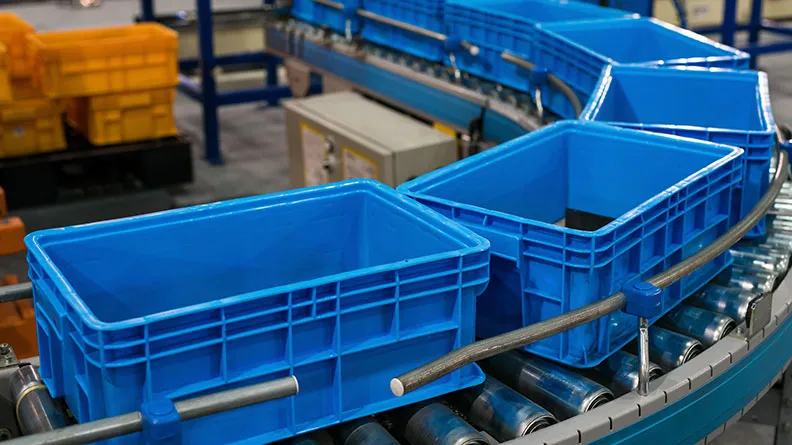
Returnable transport items (RTIs) are reusable containers such as pallets, totes, stillages and roll cages. They move goods between factories, warehouses, carriers, depots, retail sites and customers. When visibility is poor, RTIs get lost, delayed or left idle. This drives shortages, disruption and replacement cost.
RTI tracking is critical in high-circulation supply chains including manufacturing, logistics, retail distribution and shared RTI pools. It is also key in automotive, aerospace, food and FMCG, where assets are valuable and constantly moving. Automated tracking shows what is available, where it sits and how fast it cycles. This cuts shrinkage and keeps RTIs in active use.
Common challenges in RTI management
Limited supply chain visibility
RTIs travel through multiple warehouses, production plants, carriers, and customer locations. Manual logs cannot keep pace with this movement.
High shrinkage and replacement spend
When assets go missing, teams often buy more rather than search longer. This inflates pool size and ties up cash.
Inefficient pooling and imbalance
Some sites hold excess containers while others run short. Without accurate location data, reallocation is slow and expensive.
Lack of reliable cycle and dwell metrics
Many companies do not know real turnaround time. This blocks process improvement and supplier accountability.

Heading
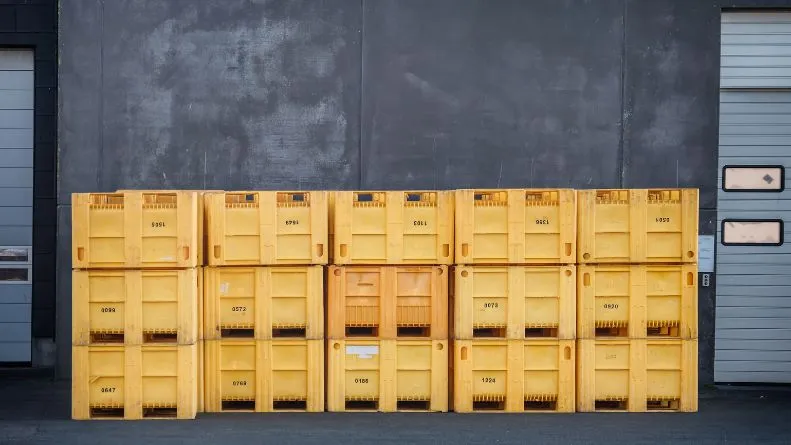
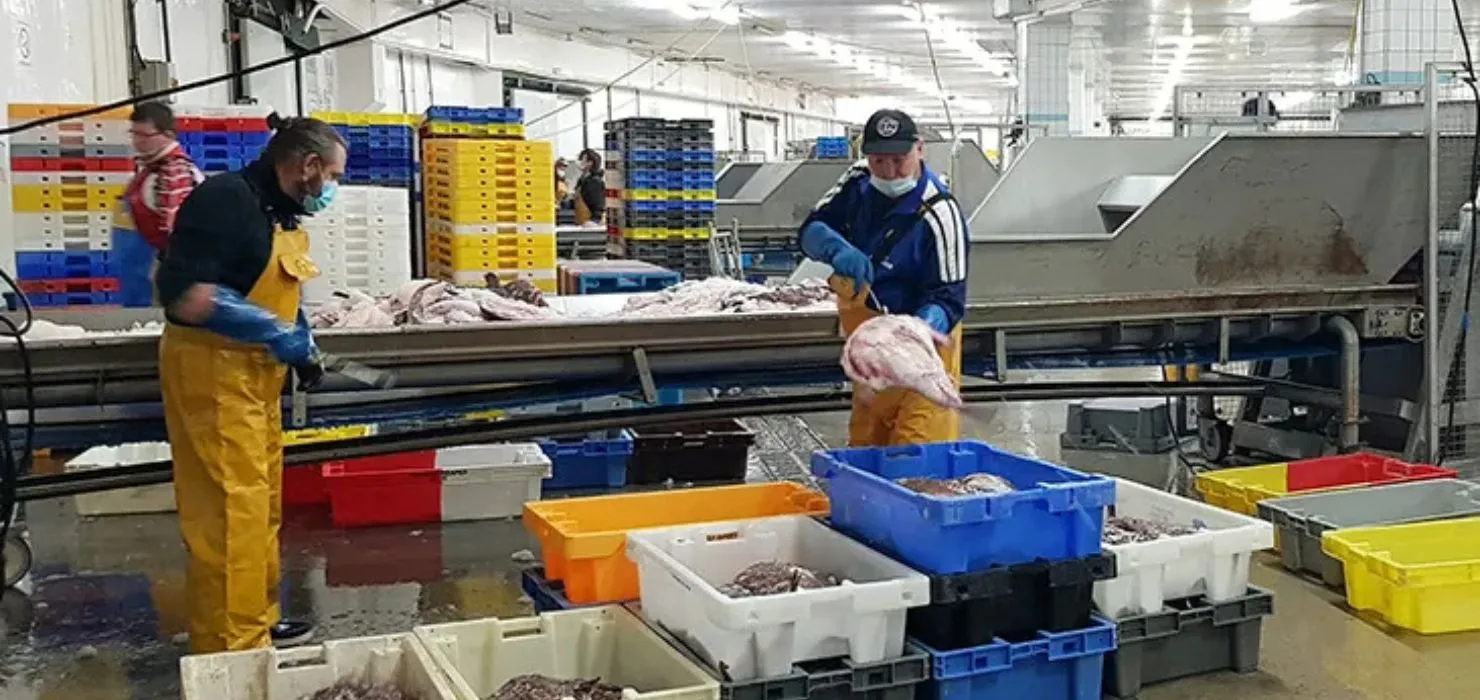
Discover how RFID tracking transformed management of 50,000 reusable fish boxes in French harbours.
Read the full case study
How does RTI tracking work?
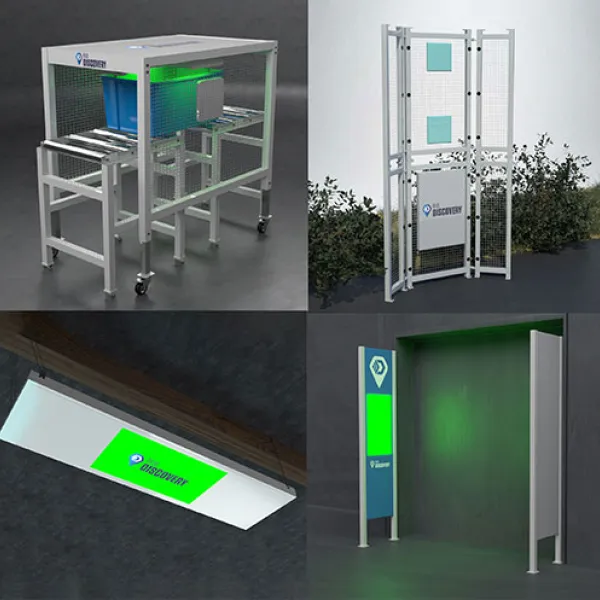
- Radio Frequency Identification (RFID): tags on RTIs are read at portals, gates, production points, or dock doors.
- Bluetooth Low Energy (BLE): small beacons support indoor visibility and smaller zones.
- Ultra-wideband (UWB): high-precision location for complex sites.
- Other tracking options: GPS or network-based methods can extend coverage outdoors or between locations.
Each read updates the cloud platform in seconds. The dashboard then shows live location, last movement, route history, and utilisation statistics.
This solution offers an undeniable technological, logistical and environmental breakthrough in the process of managing reusable boxes in the fresh fish industry.
Use cases
- Pallet tracking to prevent stockouts and support faster outbound flows.
- Tote and crate tracking to improve return rates and reduce handling errors.
- Roll cage and stillage tracking to secure high-value transport assets.
- Reusable container tracking in closed-loop or multi-partner supply chains.
See how to monitor stillages, tote boxes, roll cages, pallets and trays across your supply chain. Gain real-time visibility, cut shrinkage, and improve reuse.
Download the brochure
How RFiD Discovery improves RTI performance
Real-time multi-site tracking
The platform tracks RTIs across manufacturing sites, warehouses, yards, and partner networks. It delivers a single source of truth for the whole pool.
Automated capture with fewer manual steps
Fixed readers, handhelds, or vehicle-mounted devices register movements without stopping operations. This improves data accuracy and reduces labour.

Alerts and exception management
The system flags overdue returns, unexpected exits, or route deviations. Teams can intervene before losses occur.
Analytics for utilization and optimization
RFiD Discovery highlights slow cycles, bottlenecks, and site imbalance. Teams reduce pool size and improve container turnover.
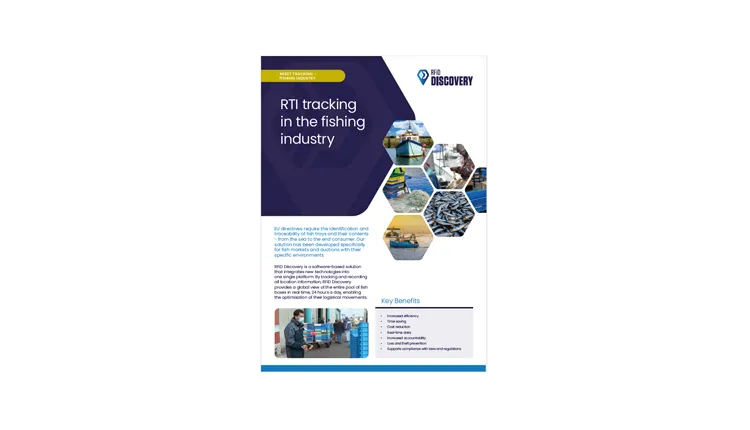
Discover how RFID Discovery tracks reusable fish boxes and containers across fish markets and harbour supply chains. Improve turnaround, reduce losses, and keep assets available where they are needed.
Download the brochureCase study video: RFID tracking of RTIs in the fishing industry
Frequently asked questions (FAQ)
What are returnable transport items (RTIs)?
RTIs are reusable containers such as pallets, totes, stillages, roll cages, and crates used to move goods through the supply chain.
Which industries benefit most from RTI tracking?
Manufacturing, warehousing, logistics, food and produce, automotive, aerospace, and any sector using reusable transport containers.
How accurate is RFID for tracking RTIs?
RFID reads deliver fast, automated identification at fixed points. When combined with BLE or UWB, the system also provides real-time location inside large sites.
Can the solution work across several sites and partners?
Yes. RFiD Discovery supports multi-site tracking and shared RTI pools across carriers, suppliers, and customer locations.
Is RTI tracking data secure?
RFiD Discovery encrypts data and follows current GDPR and enterprise security practices.