Improving efficiency and patient care at Gateshead Health NHS Foundation Trust
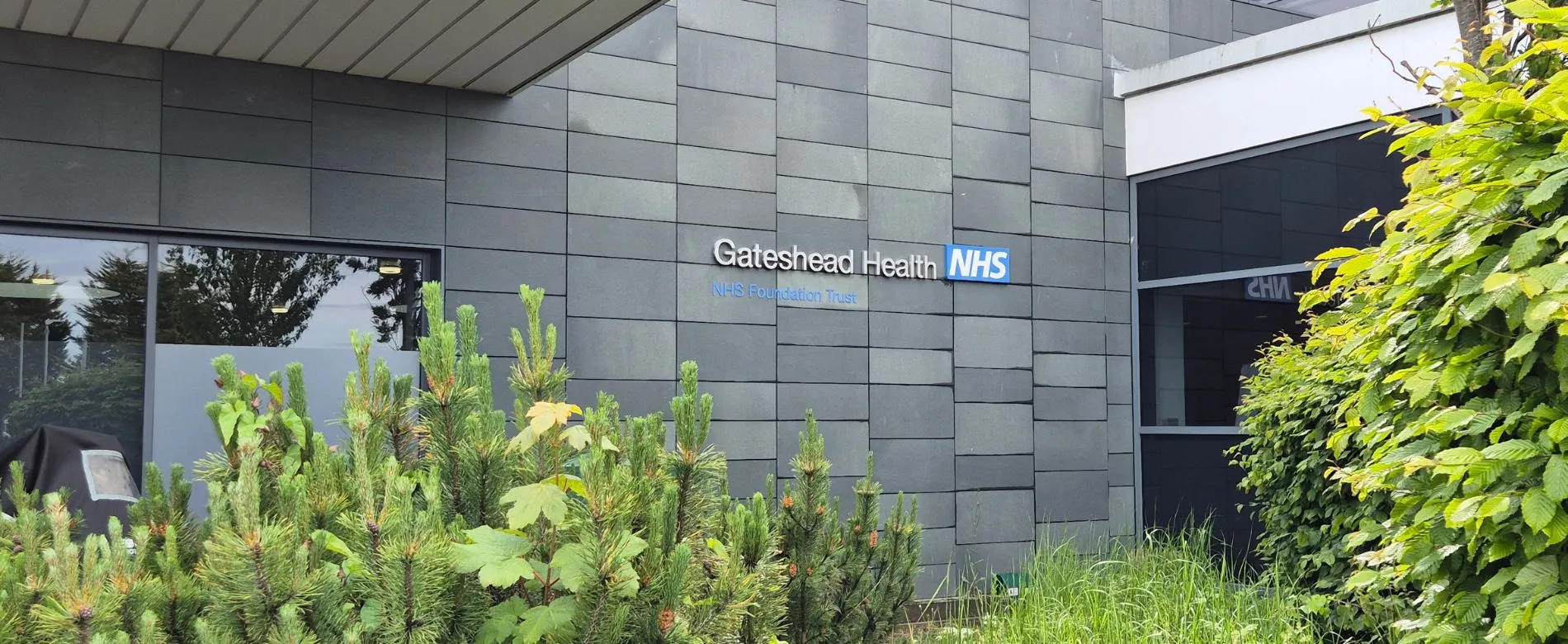
QE Facilities is a subsidiary of Gateshead Health NHS Foundation Trust, based in the North-East of England, UK. The Trust employs 4,800 staff, with a 500-bed capacity and manages 20,000 medical devices across external sites, including hospitals, NHS organisations, and private healthcare providers.
The medical engineering team, consisting of 20 staff members, oversees the management of all medical devices within the organisation.
The challenges
The Trust faced several challenges related to the management and availability of medical equipment, impacting patient care and operational efficiency:
- Equipment unavailability: critical medical equipment was often not ready or available, leading to significant patient care issues, including delays in diagnosis, treatment, and discharge.
- Locating devices: medical devices were difficult to locate for maintenance, resulting in wasted time for both technical and clinical staff.
- Poor utilisation: existing equipment was underutilised, leading to unnecessary additional purchase of equipment, and financial strain.
The Trust needed a solution to achieve real-time visibility of critical medical devices to improve patient care and operational efficiencies, enhance device servicing and maintenance compliance, and ensure GS1 compliance.
Implementing RFiD Discovery has made everyday tasks much easier – whether that’s trying to locate a device for servicing or for use on a patient waiting to be diagnosed, treated or discharged.
The solution
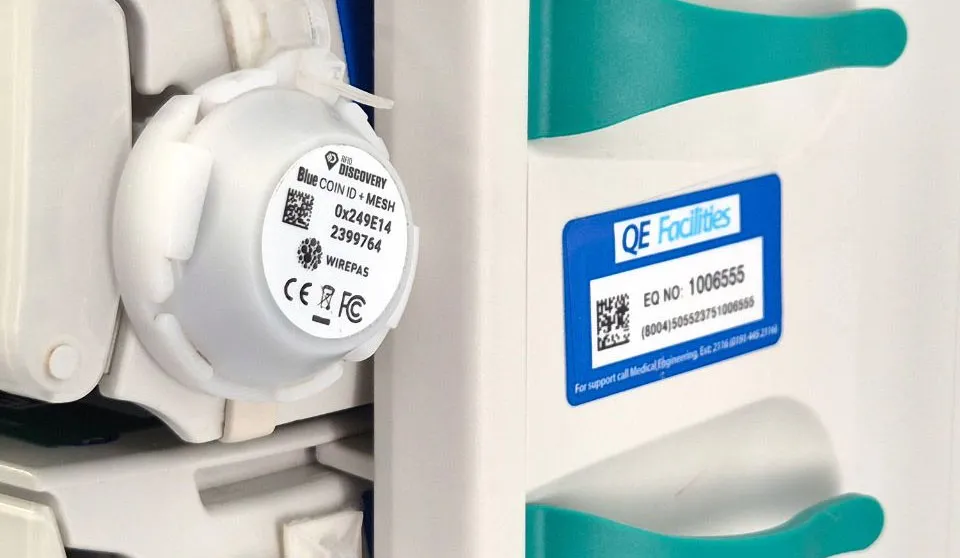
The implementation started at the Trust’s Queen Elizabeth Hospital and utilises a combination of RFiD Discovery’s passive RFID and active BLE solutions to improve medical device management.
The active BLE solution enables the trust to locate its 3,500 key high-risk and high-value assets in real time, by displaying device locations on a digital map with an accuracy of around 2 metres. In addition, ‘last seen’ location information is available for all its 20,000 medical devices, using GS1 compliant passive RFID labels.
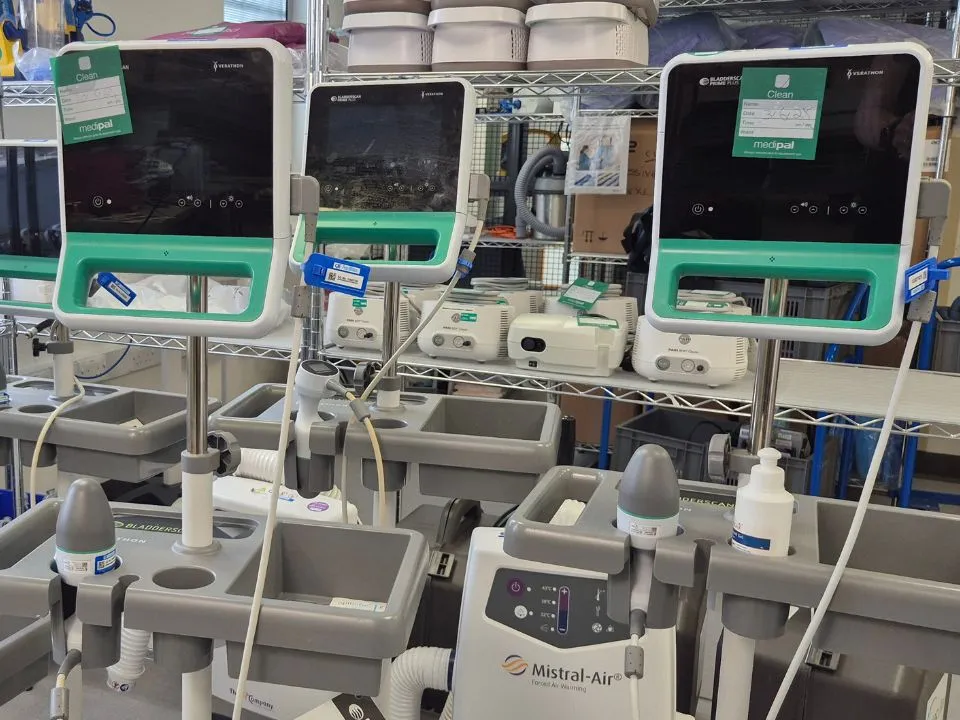
Being able to find bladder scanners easily has been a real game changer for our team. We’re no longer wasting time searching for equipment, which means we can avoid unnecessary delays and keep patient care on track.
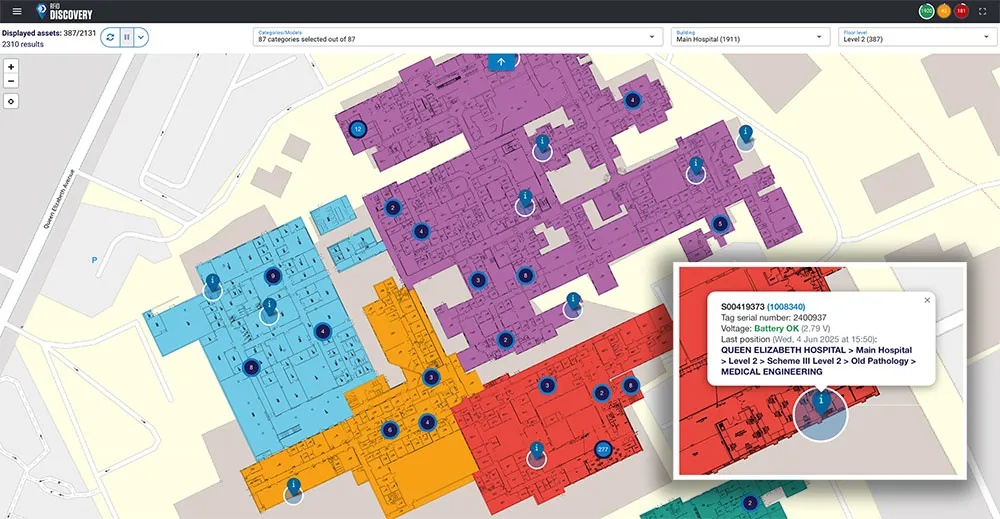
General map view
How does it work?
Real-time location
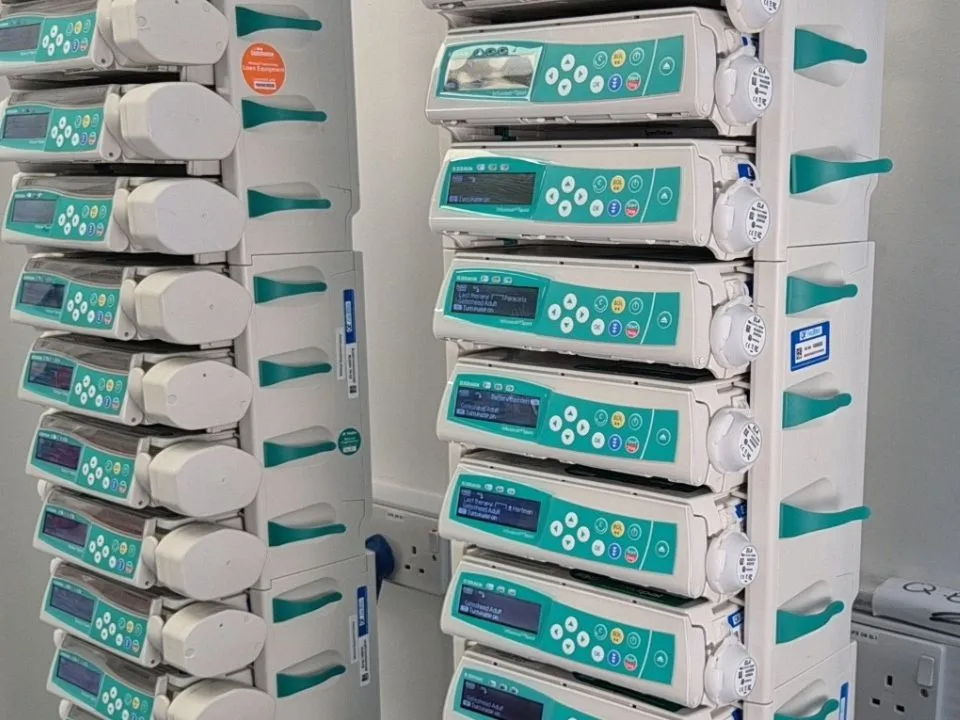
For the real-time location system using active BLE technology, a total of 3,500 asset tags were fitted to key medical devices, such as infusion pumps, ECG monitors and beds. The reader infrastructure includes 750 BLE anchors which forms a smart, self-healing mesh grid to triangulate the live position of tags, and data is uploaded via a total of 32 gateway readers.
Reader Installation
The solution was easy to install thanks to wireless battery-powered components. Batteries can be changed easily and last up to five years, which makes on-going maintenance simple. The strategic placement of anchors throughout the site ensures the server engine’s algorithms can process tag location data to produce a high level of accuracy up to 2m. Location information can then be accessed via a map view in real-time or used to highlight any shortages or overstocking.
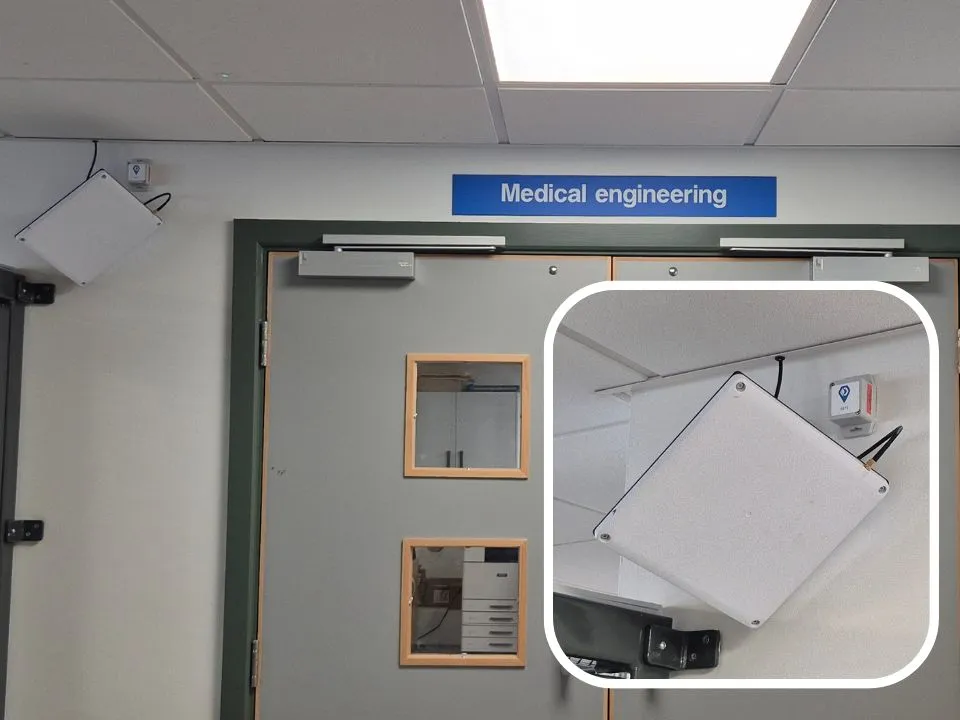
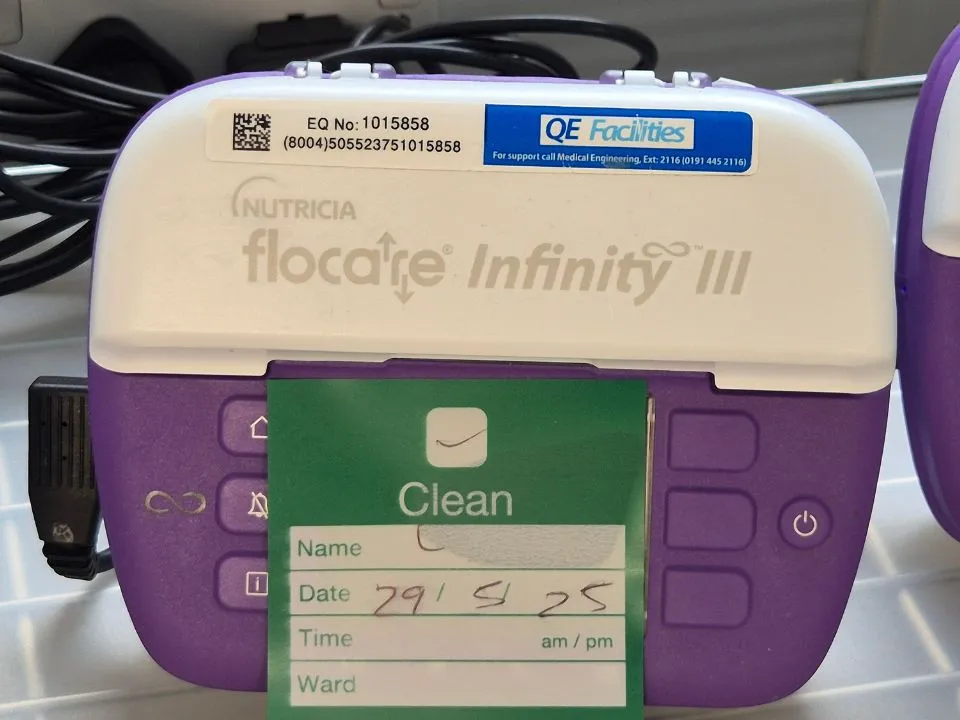
Passive RFID
To enable easy auditing of all 20,000 medical devices, GS1 compliant passive RFID labels were printed using an RFID label printer and fitted to each asset. Additional rubber tags and UHF hard tags were used where required to ensure good read rates.
A specially designed RFID trolley reader with a read range of up to 11 metres is used to capture locations of tagged assets, as it’s pushed through the hospital by a clinical engineering technician.
In addition, a total of 6 handheld RFID readers enable the clinical engineering team to audit smaller areas and quickly locate specific devices for servicing. The solution was seamlessly integrated with the Trust’s existing medical device asset management system. This means that the RFiD Discovery system can, for example, flag up any devices due for a service or recall in a specific location.
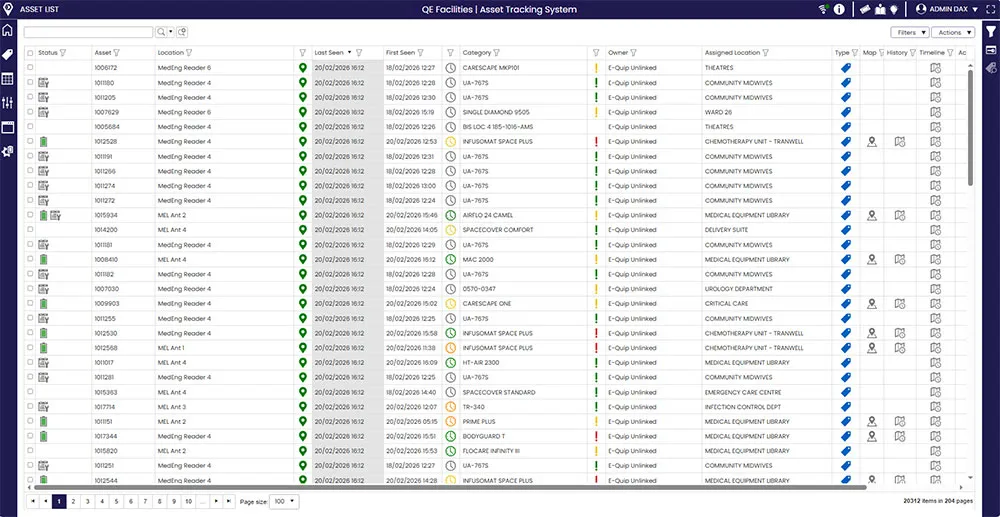
Table view
Key Benefits
- Real-time location visibility of key medical devices
- Increased efficiency resulting in time and cost savings
- Improved patient care
- Increased maintenance compliance
- Quality data to support device management and planning
The results
The benefits of the solution at NHS Gateshead are substantial, in terms of time saved by nursing staff when locating medical devices. One example is the Emergency Care Centre (ECC), which can now easily locate bladder scanners, preventing patient care and discharge delays. Substantial cost savings have also been realised. This includes avoiding a £50,000 order for additional infusion devices by increasing the utilisation of existing equipment.
Enabling clinical staff to locate medical devices more easily also led to a reduction of clinical incidents raised due to equipment not being available. Moreover, maintenance compliance for patient hoists increased from 62.8% to 96.8% with the use of active BLE tags.
Finally, equipment audits are now more than ten times quicker than manual audits, and the system supports accurate reporting, monitoring, planning, and management of assets. The hybrid system offers a more cost-effective approach, with the involvement of clinical staff being essential to fully utilise the system’s capabilities and lay the groundwork for future developments such as the expansion of the Emergency Care Centre (ECC), patient tracking, or wayfinding and patient appointments.