Ultra-wideband RTLS (UWB)
Benefits
What is ultra-wideband (UWB) and when should you use it?
Ultra-wideband (UWB) is a wireless protocol used to build high-precision real-time location systems (RTLS). It enables organisations (in industries including manufacturing, warehousing and logistics, construction and retail) to monitor the location, movement and interactions of assets, vehicles and people - typically to 30 cm or less - across defined indoor and outdoor areas. UWB RTLS is ideal when barcode, GPS, Wi-Fi or standard Bluetooth tracking can’t deliver the accuracy or reliability required for operational control.
How does UWB RTLS work?

Tags that transmit ranging signals
Attach battery-powered UWB tags to assets and vehicles, or issue them as wearables for staff. Tags send short radio bursts that enable precise distance measurement. Optional features can include motion sensing, temperature monitoring and alert buttons.

Anchors and gateways that calculate and relay location
Anchors installed around your site receive tag signals and calculate location using precise timing. Gateways forward location events via Ethernet, Wi-Fi or 4G to the platform.

A location platform that turns data into action
The platform processes the data and displays it on live maps, dashboards and reports. You can see where assets, stock, vehicles and workers are, set up alerts, review movement history, and connect the system to your existing tools like ERP, WMS or MES.
Heading
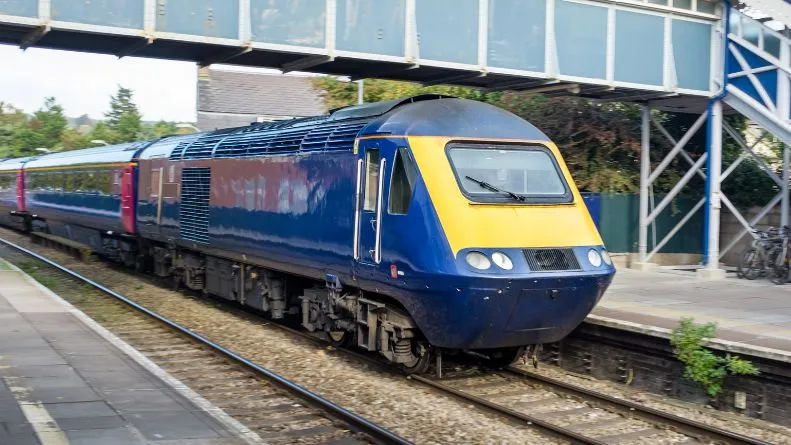
A global rail leader improved production control and operational efficiency with RFiD Discovery’s UWB real-time tracking system.
Read the full case study
How RFiD Discovery tailors ultra-wideband (UWB) RTLS to your site challenges
No two sites operate the same way. RFiD Discovery designs UWB RTLS around your real constraints - layout complexity, traffic density, safety rules, interference sources and process bottlenecks - so the system performs where it matters most.
We translate your workflows into clear location logic (zones, geofences, alerts and automation) and connect RTLS events to the tools your teams already rely on. The result is not just a map of moving dots, but actionable insight that strengthens safety, reduces wasted time, and keeps assets, vehicles and people in the right place at the right moment.
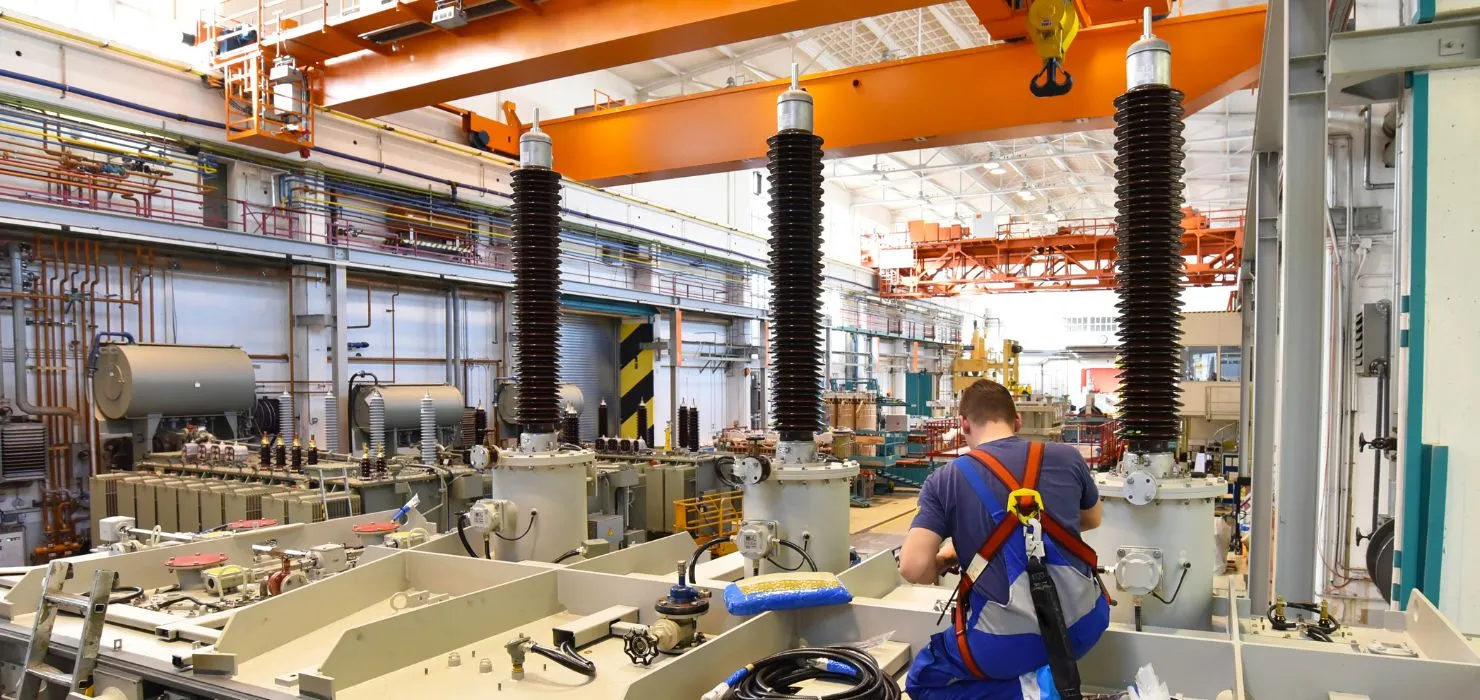
The benefits of UWB RTLS
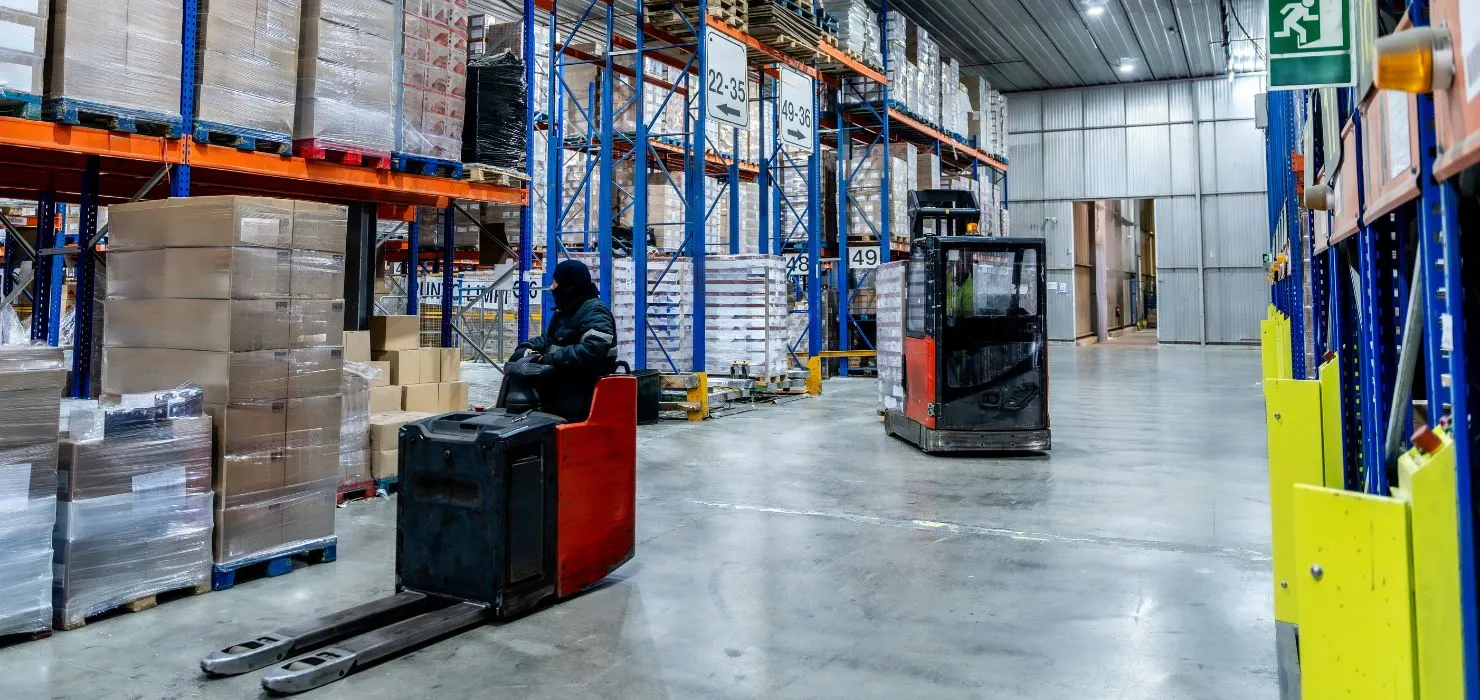
- High precision in complex environments
Achieve up to 30 cm accuracy - ideal for metal-heavy or interference-prone operations. - Operational control through zones and geofencing
Define areas to automate status updates, trigger alerts and keep work moving. - Better flow for WIP and material movement
Track items through production stages to reduce delays, manage rework and support FIFO compliance. - Safer sites with real-time workforce visibility
Improve safety and accountability with location awareness and restricted-zone alerts.
Frequently asked questions (FAQ)
Why choose UWB RTLS over BLE or Wi-Fi tracking?
UWB is designed for high-precision positioning. If you need dependable centimetre-level accuracy for workflows like WIP tracking, forklift movements or high-value asset location, UWB is typically the right fit.
Does UWB work indoors and outdoors?
Yes - UWB supports defined indoor and outdoor environments and is well-suited to large industrial sites where GPS isn’t precise enough for operational workflows.
What accuracy can I expect from UWB?
Many operational deployments target 30 cm or less, depending on site layout and installation design.
Can UWB integrate with our ERP/WMS/MES?
Yes. UWB location events become most valuable when integrated into business systems—enabling automation, alerts and reporting across existing tools.
Discover how ultra-wideband (UWB) works across our solutions

Worker productivity tracking

Worker tracking for safety