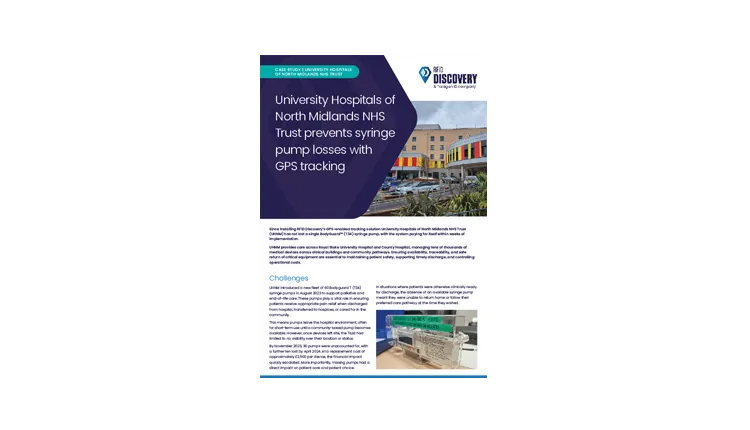
North Midlands NHS Trust prevents BodyGuard T™ (T34) syringe pump losses with GPS tracking
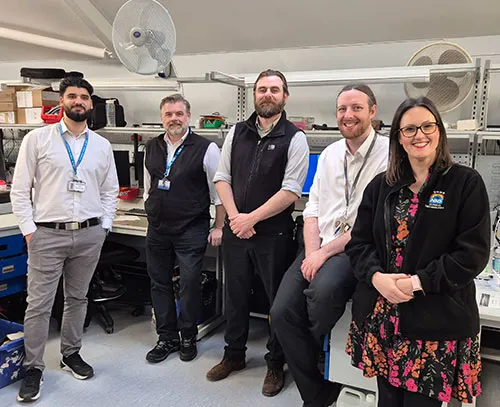
Clinical engineering team at University Hospitals of North Midlands
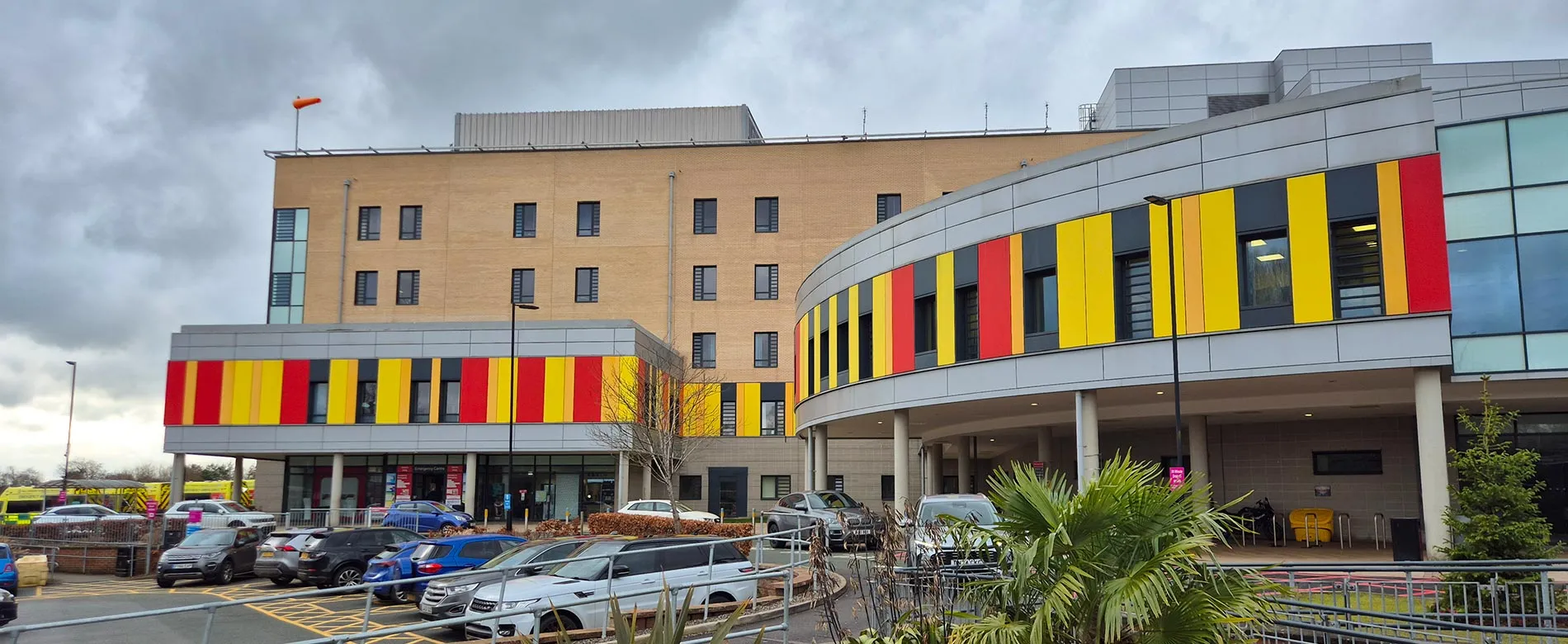
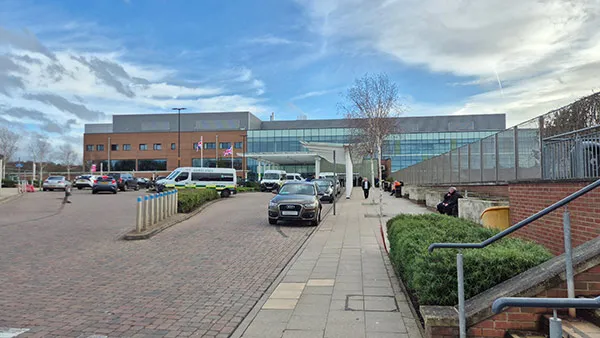
UHNM provides care across Royal Stoke University Hospital and County Hospital, managing tens of thousands of medical devices across clinical buildings and community pathways. Ensuring availability, traceability, and safe return of critical equipment are essential to maintaining patient safety, supporting timely discharge, and controlling operational costs.
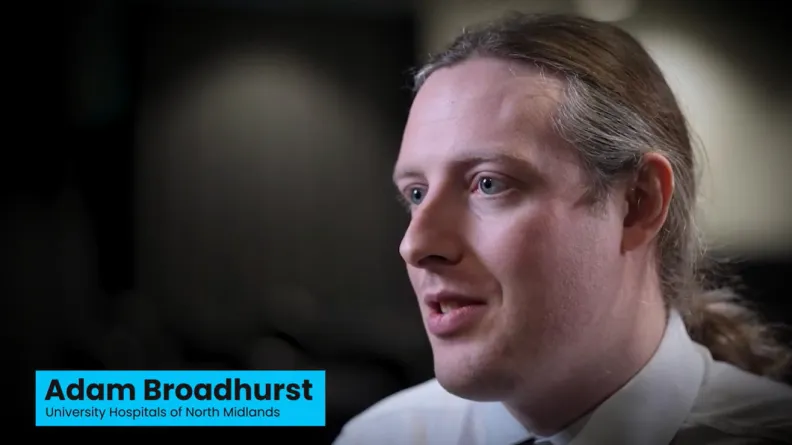
Video - Adam Broadhurst about GPS tracking BodyGuard T infusion pumps at University Hospitals of North Midlands

The Challenges: loss of BodyGuard T devices impacting patient care
UHNM introduced a new fleet of 60 Bodyguard T (T34) syringe pumps in August 2023 to support palliative and end-of-life care. These pumps play a vital role in ensuring patients receive appropriate pain relief when discharged from hospital, transferred to hospices, or cared for in the community.
This means pumps leave the hospital environment, often for short-term use until a community-based pump becomes available. However, once devices left site, the Trust had limited to no visibility over their location or status.
By November 2023, 30 pumps were unaccounted for, with a further ten lost by April 2024. At a replacement cost of approximately £2,500 per device, the financial impact quickly escalated. More importantly, missing pumps had a direct impact on patient care and patient choice.
In situations where patients were otherwise clinically ready for discharge, the absence of an available syringe pump meant they were unable to return home or follow their preferred care pathway at the time they wished.
This in turn contributed to delayed discharges, bed blocking, and increased pressure on hospital wards, placing additional strain on already stretched resources. In some cases, patients were transferred to hospices without access to the correct pain relief during the journey, creating distress for patients and families. Clinical and administrative staff also spent considerable time attempting to trace missing devices, further diverting resources away from direct patient care.
With a reduced administrative workforce and a freeze on additional staffing, UHNM needed a more robust and scalable way to manage its syringe pump fleet.
The Solution - GPS tracking for BodyGuard T infusion pumps
By introducing GPS tracking tags and lockboxes for its Bodyguard T syringe pumps, the Trust has eliminated costly pump losses, improved patient flow, and strengthened governance of high-value medical devices used across acute hospitals and community care settings.
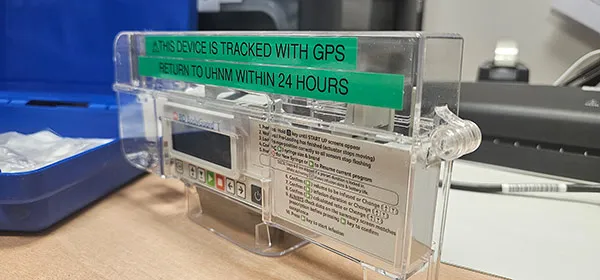
UHNM had already implemented RFiD Discovery’s asset tracking platform in 2019 and was actively using it to track tens of thousands of medical devices across its hospital sites with passive RFID technology. Building on this proven foundation, the Trust expanded the system to include GPS-enabled tracking for Bodyguard T syringe pumps.
Since implementing GPS tracking in mid-2025, we have not lost a single tracked BodyGuard T syringe pump. That’s because we’re now able to maintain clear visibility of all our devices and know exactly where they are.
How does GPS tracking for BodyGuard T infusion pumps work?
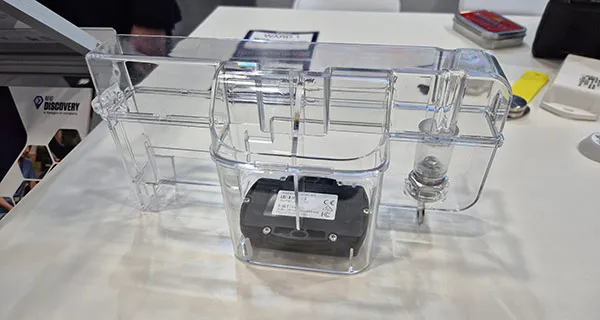
A secure GPS tracking tag sits within a robust, easy-to-clean custom lock box which integrates seamlessly with UHNM’s existing RFiD Discovery system. The solution safeguards the device and the medication, while also enabling the Trust to see on a map-view where pumps are located once they leave hospital premises and to set up alerts when devices remain in the community beyond expected time frames.
The implementation process was straightforward and carefully governed. A Data Protection Impact Assessment (DPIA) was conducted to ensure the use of GPS tracking would not compromise GDPR compliance or patient confidentiality. The main practical challenge was physically accessing pumps to apply the tags, but once devices were available, all pumps were tagged and added to the system within three weeks. Importantly, the rollout required minimal process change for clinical teams and caused no disruption to existing workflows. This is thanks to the new lockboxes using the same key and locking barrel supplied with the manufacturer’s lockboxes.
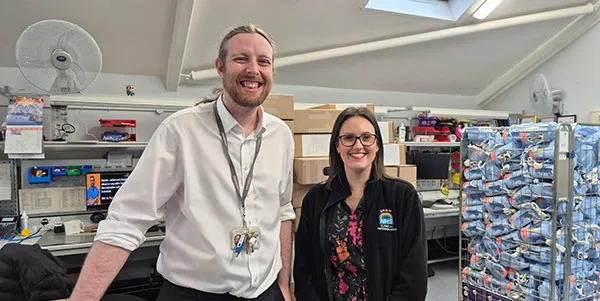
Adam Broadhurst with Jodie Holdcroft, Assistant Medical Engineer
The presence of tracking also acts as a deterrent, reducing the likelihood that pumps are accidentally retained, misplaced, or discarded once they leave the hospital environment.
Key Benefits
- Eliminated BodyGuard T pump losses
- Improved patient flow and continuity of care
- Reduced discharge delays
- Replacement costs of over £100K avoided
- Eliminated time-consuming searches for devices
- Enables teams to focus on patient care rather than equipment recovery
Improved patient flow and continuity of care
With real-time visibility of pump locations, clinical teams can now:
- Discharge patients confidently with the correct pain management equipment
- Reduce discharge delays linked to equipment shortages
- Support safer transitions between hospital, hospice, and home care
Significant financial savings
Prior to GPS tracking, UHNM lost 40 pumps in just nine months. Without intervention, the Trust estimated the need to replace 30–60 pumps over a three-year period.
As a result of implementing GPS medical device tracking:
- Replacement costs of well over £100,000 have been avoided
- Devices previously believed to be permanently lost have been recovered and returned to service.
- GPS tags and lockboxes cost only a fraction of the price of a single pump
- The solution paid for itself within weeks
Reduced administrative burden
Asset tracking has also reduced operational pressure by:
- Eliminating time-consuming searches for missing devices
- Allowing more targeted deployment of clinical engineering resources
- Enabling teams to focus on patient care rather than equipment recovery
Staff experience and clinical confidence
Clinical engineering and palliative care teams have responded positively to the solution. The system integrates smoothly with existing processes and provides confidence that high-value devices can be located quickly when needed. Visibility of assets has not only improved loss prevention but also compliance with planned preventative maintenance and servicing schedules.
A scalable model for safeguarding critical medical devices
By deploying RFiD Discovery’s GPS-enabled tracking solution for Bodyguard T syringe pumps, University Hospitals of North Midlands NHS Trust has transformed the way it manages critical palliative care equipment. The Trust has:
- Eliminated syringe pump losses
- Improved patient discharge efficiency and continuity of care
- Achieved rapid financial return
- Reduced operational pressure on staff
The ability to see where devices are, both on site and in the community, has fundamentally changed how services operate and how confidently staff can support patient pathways.
What's next?
Following the success of GPS tracking for BodyGuard T pumps, UHNM is now exploring further expansion of its asset tracking strategy, including the use of active BLE technology to enable live location tracking inside the hospital for a wider range of medical devices. This future-focused approach positions the Trust to continue improving efficiency, governance, and patient care across both hospital and community settings.